What Wales’s automatic voter registration means
A notice about council elections does not mean you are registered for UK Parliament elections, and you have choices before your name is added.
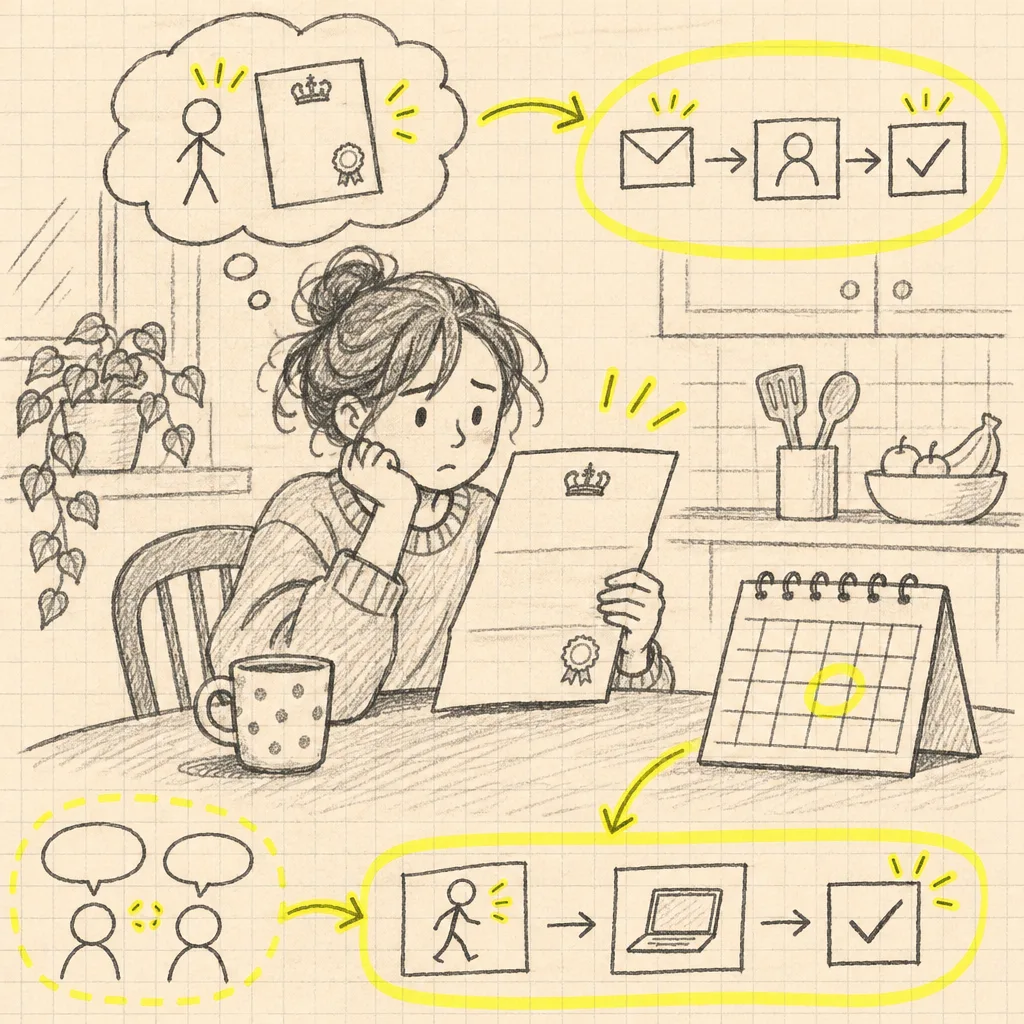
Eligible people in Wales can now be added to the local government electoral register without applying, following regulations that came into force on 5 November 2026. The notice they receive gives them time to correct an error, opt out or say they want to register anonymously.
An electoral register is a list of people entitled to vote. The important word in this story is “local”: the local government register is also used for Senedd elections, but it is not the same as the register for UK Parliament elections.
If you are 17 and meet the other eligibility rules, you can vote in Welsh council and Senedd elections. You must be 18 to vote in a UK Parliament election. Nationality and residence matter too: some people who can vote in Welsh elections cannot vote in a UK general election.
Here is how the notice works. An electoral registration officer, the official responsible for maintaining the register in your area, checks available records for people who appear eligible but are not registered locally. For example, an education record may help identify a young person. The officer must then send a written notice to the person’s address.
The notice is not confirmation that you have already been added. It tells you the officer intends to register you and gives you a chance to respond. It must include the officer’s contact details, the last day of the notice period and information about applying for the parliamentary register.
Under the regulations, the notice period lasts 28 days, counting from the day the notice is given. Check the last date printed on your letter rather than assuming the clock starts when you open it. If the details are right, you remain eligible and you do not opt out or ask about anonymous registration, the officer must add you after the period ends. The actual register update may follow later.
If the notice has the wrong address, or you are not entitled to be registered, tell the officer before the deadline. For example, the letter might be sent to a property where you no longer live. The regulations also ask someone living at the address to tell the officer if the named person does not live there.
You can opt out of this automatic process by telling the officer in writing that you do not want to be registered. You do not have to give a reason. Keep a copy and ask for confirmation. This is not necessarily the end of all contact: officers may also send an invitation to apply to people who opt out. An invitation is different from a formal requirement to apply.
There is another option if having your name and address on the register would put you or someone in your household at risk. Anonymous registration means your name and address do not appear on the published register. Tell the officer during the notice period that you want to apply. Ask what form and evidence are needed.
Asking about anonymity is not the same as having an anonymous entry accepted. If an anonymous application fails, do not assume you will be added as an ordinary elector on the strength of that application. If you already have an ordinary entry, contact the officer promptly about protecting your details.
The letter itself matters for safety. The regulations require it to be sent to your address and allow a copy to be given to a responsible person at certain properties. Whether survivors of domestic abuse would have enough time and support to understand their options is an important concern.
The Senedd approved the regulations; Welsh Ministers made them. Ministers reduced the notice period from the 60 days used in the pilots to 28 days. The shorter period preserves the chance to opt out or apply anonymously while avoiding delay and confusion.
The timing also helps administrators prepare for the Welsh local elections. A longer window could make the planned rollout harder to deliver before those elections. Most pilot responses may have arrived within a shorter period, but longer would give people more time to respond. That is evidence for the trade-off, not proof that everyone who needs protection will receive and understand a letter in time.
Registration without applications added people who might otherwise have been missed. It also involved substantial work for election teams, and the Welsh Government should assess costs alongside benefits. The practical burden of spotting a wrong notice or seeking anonymity falls on the recipient.
To check your position, contact your electoral registration office and ask which registers you are on. A local-only entry created by this process has a J beside it: that is a marker for officials, not proof that you can vote in every election. If you want to be registered for UK Parliament elections when eligible, follow the application information in the notice or ask the office for help. Do not assume your local entry will create a parliamentary entry for you.
If the officer has made an error, explain what is wrong, supply the correct information and ask for a written response. If an application is refused, ask for the reasons and how to challenge the decision. An applicant whose registration application is to be disallowed may be able to ask for a hearing, where the decision is considered formally; the time limit may be short. The regulations also provide for appeals against relevant registration decisions. Ask the office which procedure and deadline apply to your decision.

Keep going
 How it works
How Cumberland’s new council wards were decided
The new electoral map changes who represents neighbourhoods without moving the council’s outer boundary, and Parliament had a chance to stop it.
 How it works
What the Microsoft outage reveals about the cloud
Sussex’s email disruption shows how an organisation’s choice of provider can affect students, while leaving other services working.
 How it works
What a phoenix company is, and what it is not
The Insolvency Service wants earlier action on abusive phoenixism, but a business restart is not automatically fraud.