What a phoenix company is, and what it is not
The Insolvency Service wants earlier action on abusive phoenixism, but a business restart is not automatically fraud.
The Insolvency Service has published a five-year strategy promising earlier help for people in debt, faster insolvency processes and tougher action on abusive phoenix companies, according to its GOV.UK strategy and press release. The phrase phoenix company matters because it can describe real harm, but it can also hide the difference between an unlawful debt dump and a lawful attempt to rescue a business.
Here is the thing to know first. A limited company is a legal person separate from its directors. If a café is run through a company, the company usually owes the rent, the supplier bills and the tax. The director does not automatically owe those debts personally. That separation is part of why people can take business risks. It is also part of why the system can be abused.
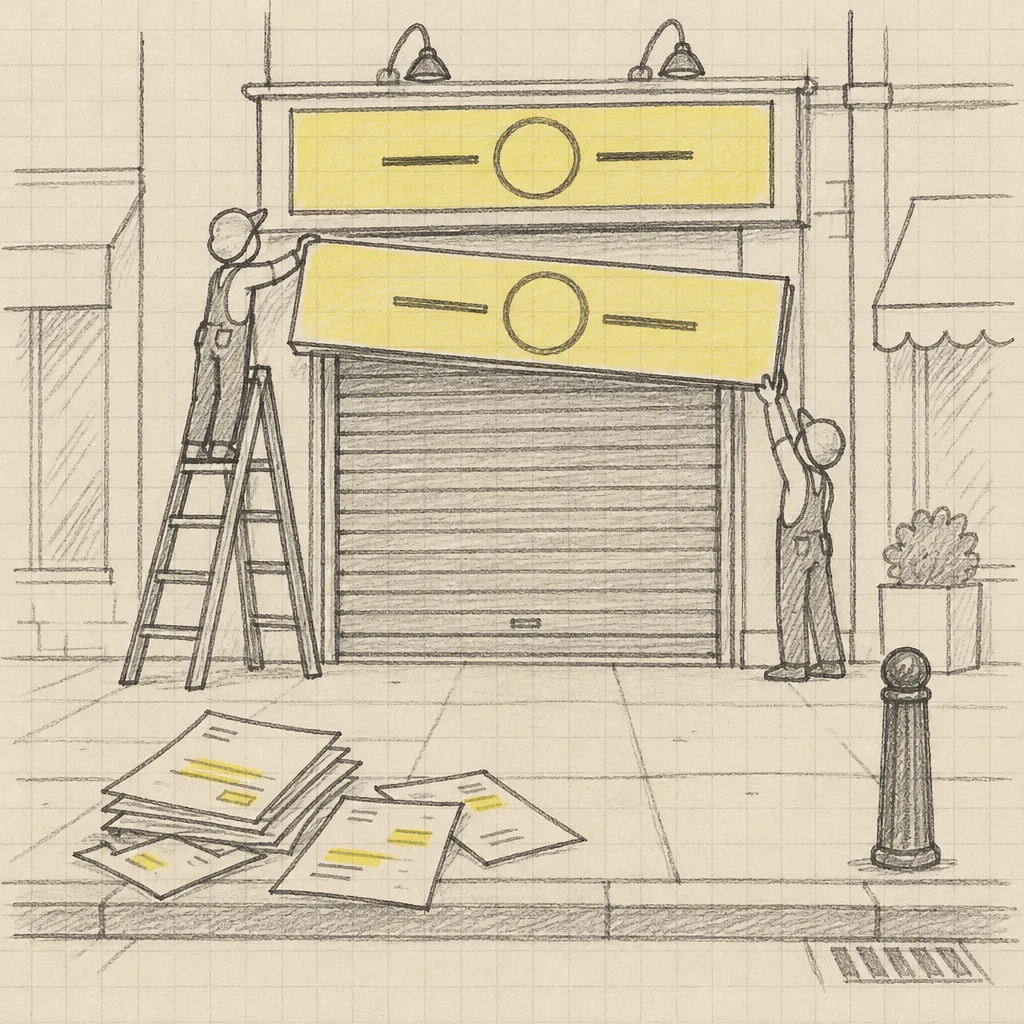
A phoenix company is a new company that carries on the same or a similar business after an old company has failed. The image is the bird rising from the ashes. That restart is not, by itself, wrongdoing. A failing company might sell its kitchen equipment, name or customer list to a new owner. Sometimes that buyer is connected to the old business, perhaps a former director. That can be lawful if the assets are properly valued, the sale is recorded, creditors are treated under the insolvency rules, and directors have not acted dishonestly or unfairly.
The harmful version is different. Abusive phoenixism can involve directors repeatedly abusing dissolution or insolvency to avoid paying creditors or to commit fraud. A concrete example would be a company taking deposits from customers, closing with those deposits unpaid, then reopening under a new company name with the same people, same trade and same pattern.
So who decides what happens when a company cannot pay? First, the directors decide what to do while the company is still trading. If the company cannot pay its debts as they fall due, directors must think about creditors, not just shareholders or themselves. They may seek advice, try a rescue, stop trading, or start a formal insolvency process.
Then an insolvency practitioner may enter the picture. An insolvency practitioner is a licensed professional who can act as administrator or liquidator. An administrator tries to rescue the company or get a better result for creditors than immediate liquidation. A liquidator winds the company up, sells assets, checks claims and pays creditors in the legal order. In a compulsory liquidation, an official receiver, who is a civil servant in the Insolvency Service, is first appointed after the court makes a winding-up order.
Creditors have power too, but it is uneven. A creditor is anyone owed money. A bank with security over property is in a stronger position than an unpaid supplier with no security. GOV.UK guidance for creditors says money raised in a bankruptcy or compulsory liquidation is divided in a strict order after the costs of the process are paid. That order is why the sentence assets returned to creditors does not tell you which creditors. Some may be paid in full; others may receive a few pence in the pound or nothing.
The state has a separate job. The Insolvency Service can investigate director conduct using powers under the Insolvency Acts, the Company Directors Disqualification Act 1986 and company law, according to its guidance on insolvent company investigations. Director disqualification is civil action, not a criminal conviction. It can stop someone being a director or taking part in company management, usually after a court order or a voluntary undertaking.
That distinction matters. A director can run a failed business badly without committing fraud. A director can also be dishonest, hide assets, prefer themselves over creditors, misuse tax money, or carry on trading when there was no reasonable prospect of avoiding insolvency. The law needs a process because the same outward facts can mean different things. A shop closes on Friday and a similar shop opens on Monday. Is that a rescue of jobs and assets, or a plan to leave suppliers unpaid? The answer depends on evidence.
The new strategy says the Insolvency Service wants to spot risk sooner, guide people to help earlier and use better intelligence with Companies House, HMRC and law enforcement bodies. Its strategy says the phoenixism taskforce will grow to 50 people by 2028.
This is where media literacy helps. A promise to act faster is not the same as a rule that changes someone’s rights. If the agency hires staff, builds better data links and opens cases earlier, that may change how often directors are investigated. But unless Parliament changes the law, a director’s legal duties, a creditor’s place in the queue and the need to prove misconduct remain what the law says they are.
The same test applies to other claims in the strategy. The press release says the £90 Debt Relief Order fee has been removed; GOV.UK debt relief guidance says that fee ended on 6 April 2024. That is a real rule change for eligible people with low assets and low spare income. The press release also says the Redundancy Payments Service supports first payments within 11 days for around 70,000 people each year. That may be good news, but the wording does not tell you whether 11 days is an average, a target, a middle case, or what happens to people who wait longer.
The hiding word here is abusive. It does necessary work, because not every phoenix company is wrongful. But if an official announcement does not define the line between a lawful connected sale and abusive phoenixism, you cannot tell from the slogan who will be investigated, who will be protected, and who might still lose money.
The short version is this: insolvency is not one decision made by one person. Directors choose how to respond to distress. Practitioners manage formal procedures. Creditors claim what they are owed. Courts make some orders. The Insolvency Service investigates misconduct for the state. Companies House and HMRC may supply data. The important question is who decides at each step, because each decision changes who pays, who waits and who gets another chance.

Keep going
 How it works
How Cumberland’s new council wards were decided
The new electoral map changes who represents neighbourhoods without moving the council’s outer boundary, and Parliament had a chance to stop it.
 How it works
What Wales’s automatic voter registration means
A notice about council elections does not mean you are registered for UK Parliament elections, and you have choices before your name is added.
 How it works
What the Microsoft outage reveals about the cloud
Sussex’s email disruption shows how an organisation’s choice of provider can affect students, while leaving other services working.