When does a Scottish Act actually take effect?
The building safety levy shows why an Act can become law months before ministers bring particular parts into force.
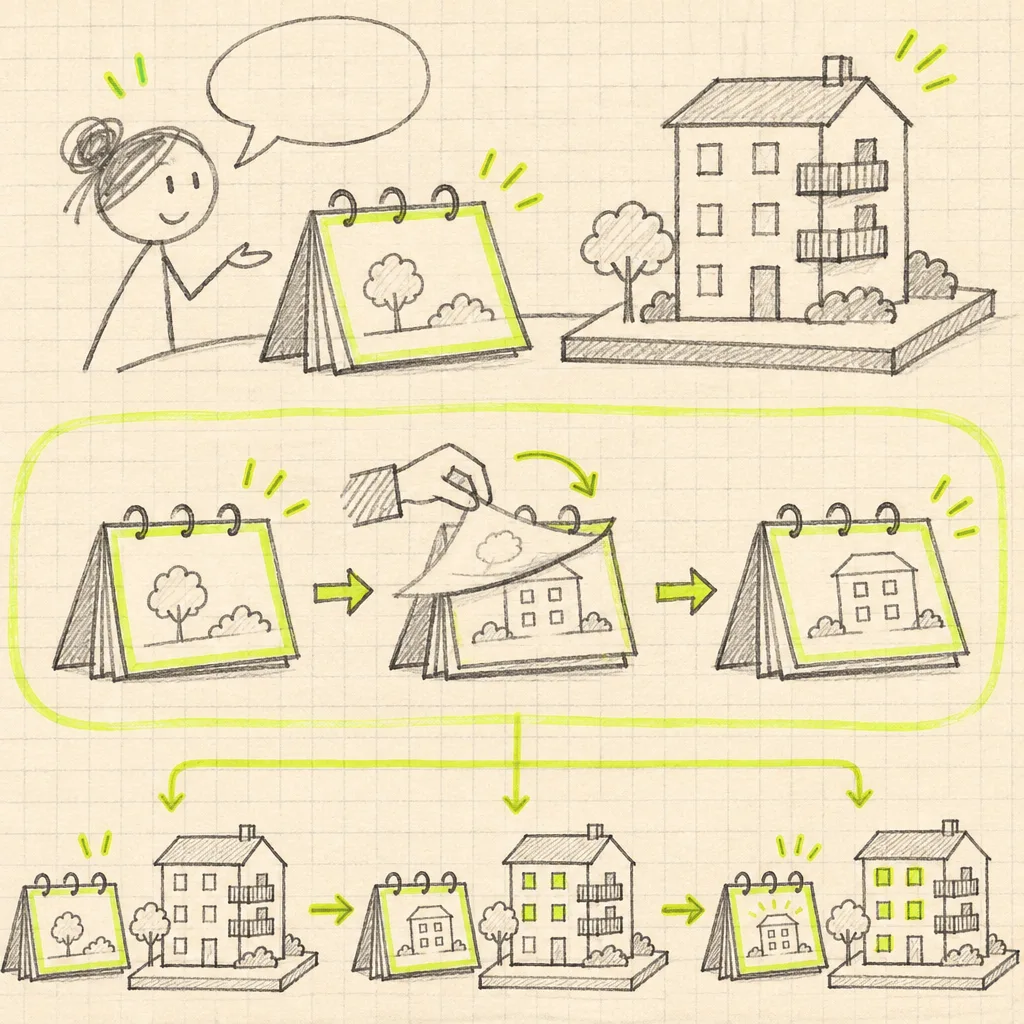
Scottish Ministers have set a date for parts of the Building Safety Levy (Scotland) Act to take effect. The commencement regulations, signed by Jenny Gilruth, say those provisions will come into force on 1 December 2026, but they do not set a levy rate or a payment deadline.
That distinction matters because a law can exist before all of it is operating. It also matters because Parliament can pass an Act that leaves ministers to decide some important details later. To understand a headline about a new law, you need to ask not just whether it has passed, but which parts are in force and what those parts actually do.
First, a Bill is a proposal for a law. Members of the Scottish Parliament examine it, can propose changes and vote on whether to pass it. Royal Assent is the formal approval that turns a passed Bill into an Act. The Scottish Parliament’s research service records that the building safety levy Bill passed on 17 March 2026 and received Royal Assent on 13 May 2026.
An Act is a law made by Parliament, sometimes called primary legislation. It can say that everything takes effect immediately. But it can also give different parts different starting dates, or give ministers the power to choose those dates later. That start is called commencement. For example, an Act might give ministers a power to write rules first, while leaving the duties those rules support to begin later.
The building safety levy Act took that staged approach. Its commencement section itself came into force on 14 May 2026, the day after Royal Assent, along with other named sections. The Act’s explanatory notes say the remaining provisions come into force on days appointed by Scottish Ministers through regulations.
Regulations are legally binding rules made using a power granted by an Act. They are a form of secondary legislation: they do not need a fresh Act every time, but ministers can make them only within the authority Parliament has given them. A Scottish statutory instrument is the formal document commonly used to make such rules in Scotland.
Here, the commencement regulations use the power in the Act’s section 52 to bring listed provisions into force. The Scottish Government made the instrument on 3 November 2026 and laid it before the Scottish Parliament on 5 November 2026. Laying means formally presenting a document to Parliament; it does not, by itself, mean members voted on it.
The instrument’s explanatory note says the provisions starting on 1 December 2026 bring all the Act’s powers to make regulations into force. That is the note’s account, not a list of completed decisions. The instrument includes, for example, the Act’s section on charging and the rate of the levy. The Act’s explanatory notes say ministers must set the rate or rates through regulations. Starting that section is not the same thing as printing a rate in the commencement instrument.
Who decides the detail, then? Parliament passed the Act and chose which powers to give ministers. Ministers can use those powers, but the Act also determines how Parliament checks their rules. The Act’s explanatory notes say rate regulations use the affirmative procedure: Parliament must approve the draft before it can become law. By contrast, the commencement regulations must be laid before Parliament but are not subject to a further parliamentary approval procedure.
That division can make government more flexible. A rate can be proposed later without passing the entire Act again. It also gives ministers influence over decisions that will affect what people pay. Members of the Scottish Parliament can scrutinise the rate, but a reader looking only at the original Act or the commencement notice would miss that later decision.
The word worth watching is commencement. It tells you when a provision starts to have legal effect; it does not tell you, on its own, that a bill has landed on anyone’s doormat. Nor does a section heading settle what the section does. A power to set a rate and a duty to pay a calculated amount are different things.
There is more to the story than the commencement instrument. The Scottish Government published indicative rates on 31 July 2026. Indicative means an indication of what is proposed, not a rate fixed by the commencement regulations. The government says the rates require Parliament’s agreement and that it intends to introduce the levy on 1 April 2028, subject to the necessary further legislation. Revenue Scotland, Scotland’s tax authority, is preparing to administer it.
The government says the levy is intended to make developers of new residential properties contribute towards fixing unsafe cladding, the material covering the outside of a building. People living in buildings made safer could benefit. Developers are the intended taxpayers, but that does not settle who ultimately bears the cost: some might fall on developers, landowners or buyers, depending on circumstances. The Parliament’s finance committee has raised concerns about possible effects on housing delivery.
The short version is that ministers gain usable powers when the relevant provisions commence. That is a meaningful transfer of decision-making authority. It is not evidence that every later rule has been made, that a particular development owes tax, or that a payment is due on the commencement date.

Keep going
 Law
Who can change Scotland’s tribunal deadlines?
A new order shows how a power granted at Westminster can be exercised by Scottish Ministers, with approval from both governments and Holyrood.
 Law
Who Decides What Happens in a Criminal Trial
A Palestine Action case offers a lesson in charging, evidence, reporting restrictions and the difference between a document and a claim about it.
 Law
Why a Scottish law can wait years to take effect
Scottish Ministers have set a start date for more trust rules, but have not said when rules for private purpose trusts will begin.