What the Walliams injunction ruling decided
The High Court refused to stop an investigation being published; it did not decide whether the allegations against David Walliams were true.
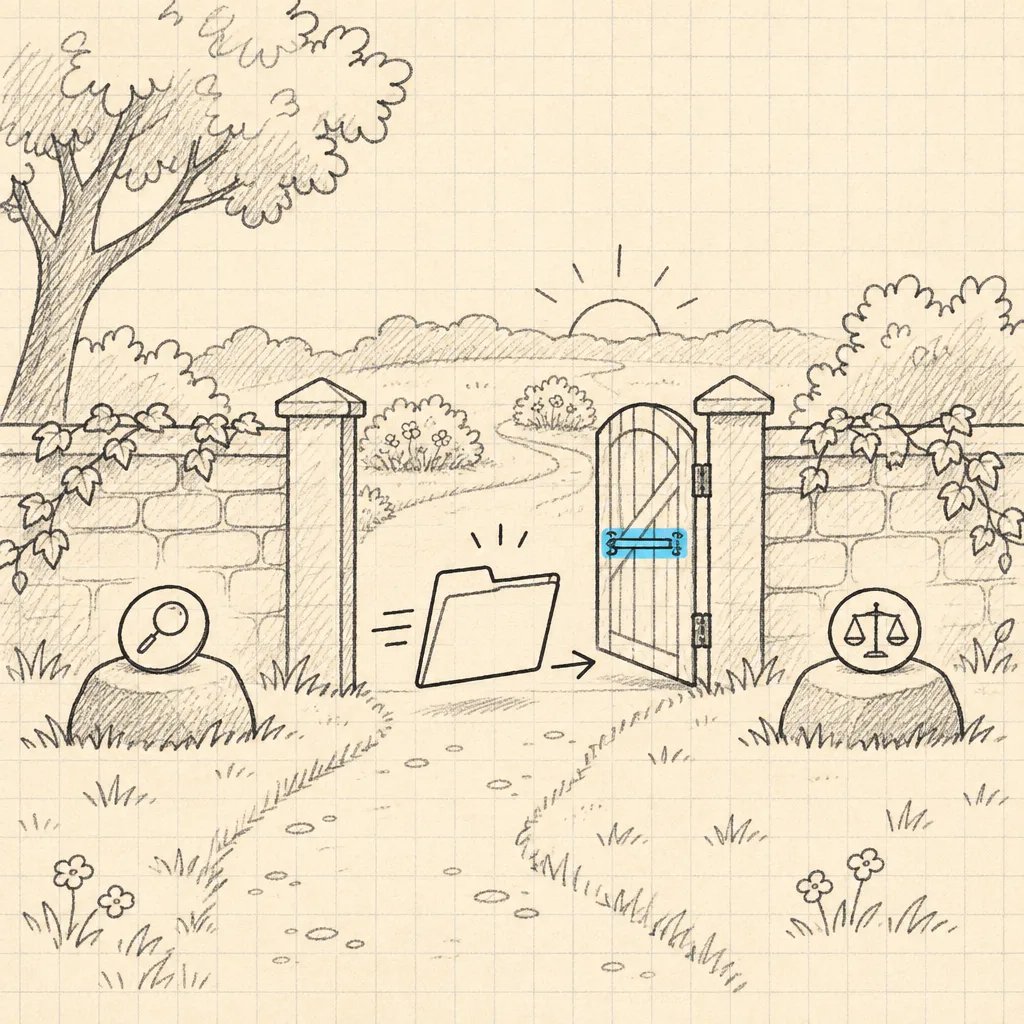
The Guardian and ITV News have published allegations of sexual and workplace misconduct against David Walliams, which he denies. The High Court refused his request to stop publication, but did not decide whether the allegations were true.
That distinction is the starting point for reading this story. An allegation is a claim that someone has done something; it is not the same as a finding that they did it. The Guardian says its investigation heard from 30 sources with first-hand accounts and examined material including messages and notes. That is the publishers’ account of their reporting. The number alone does not tell you how many people witnessed each alleged incident or what each document establishes. Walliams denies wrongdoing, including criminal conduct.
Before publication, Walliams asked the High Court for an injunction: an order requiring someone to do something or stop doing it. For example, an injunction can prevent a newspaper from publishing particular information. An order made while a case is continuing can be temporary; Walliams sought a permanent order against the proposed reporting.
Here is how it worked. The publishers told Walliams what they proposed to report and sought his response. He then brought a case against Independent Television News, which produces ITV News, and Guardian News and Media, which publishes the Guardian. Both sides presented their arguments to Mr Justice Nicklin, the judge who decided the application.
Walliams’ lawyers argued that publication posed a serious risk to his life and that his rights to life, protection from inhuman or degrading treatment, and respect for private and family life required protection. The publishers argued that their investigation raised matters the public should know about, and that stopping it would interfere with their freedom of expression: the right to communicate information and ideas.
The judge accepted that the risk to Walliams was genuine and grave. He considered the protection provided by psychiatric treatment, while recognising that treatment could not eliminate every risk. He also considered the effect of the proposed reporting on Walliams’ private and family life. The risk did not disappear because the application failed.
Against that, Nicklin considered what an order would prevent. It would stop the publishers reporting serious allegations and restrict the ability of people who had spoken to journalists to have their accounts heard. His judgment says the proposed reporting concerned a matter of substantial public interest: in this context, a reason for the public to receive information about serious allegations involving a prominent person. Public interest is not the same thing as whatever attracts public curiosity.
Section 12 of the Human Rights Act 1998 tells courts considering orders that affect expression to give particular attention to freedom of expression. For journalistic material, it also directs them to consider whether publication would be in the public interest. That does not mean journalism always wins. A court must consider the legal rights and evidence relevant to the order being requested.
Nicklin refused the permanent injunction in his judgment dated 3 November 2026. The Independent reports that he allowed Walliams time to appeal, meaning to ask a higher court to reconsider the decision. The judge kept his identity protected temporarily; according to the Independent, the appeal deadline passed on 9 November 2026 without an appeal being lodged. The Guardian and ITV News then published their investigation on 10 November 2026.
Those were different measures. Temporary anonymity protected Walliams’ identity during the proceedings and the period for considering an appeal. The permanent injunction he sought would have stopped the proposed reporting. Refusing that injunction left the editorial decision about whether and how to publish with the news organisations; it did not certify their reporting as true or lawful in every respect.
The words public interest appear again in another area of law, but they do a different job. Defamation is a legal claim about a statement said to have caused serious harm to someone’s reputation. In England and Wales, section 4 of the Defamation Act 2013 provides a defence to such a claim if the publisher shows that the statement concerned a matter of public interest and that it reasonably believed publishing it was in the public interest. A court would consider the circumstances, including the publisher’s editorial judgement.
Imagine a person sues a newspaper after an article is published. The newspaper might use that defence in the later case. Nicklin’s injunction ruling did not decide that this defence had been proved, and it did not determine the truth or falsity of the allegations. The judgment records that the parties agreed truth was not an issue for the court to determine in these proceedings.
Who benefits from a headline that blurs those questions? A publisher may gain the authority of a court finding it did not receive. A person facing allegations might gain from a headline that wrongly suggests the court cleared them. Readers lose the distinction needed to assess either claim.
The costs are not abstract. Walliams faces the reputational and private consequences of publication while denying the allegations. People who spoke to journalists may face consequences from doing so. The publishers bear the costs and legal risks of their decision. A ruling about the injunction settles none of those experiences for the people involved.
There are limits to what other statements establish, too. The Guardian reports that ITV and the production companies behind Britain’s Got Talent said they were unaware of complaints about Walliams. That describes what they said they knew; it does not establish that no concern was raised elsewhere. HarperCollins’ statement about ending new titles did not explain the scope or findings of an investigation. Walliams’ representative said he had not been given an opportunity to answer questions in it.

Keep going
 Law
When does a Scottish Act actually take effect?
The building safety levy shows why an Act can become law months before ministers bring particular parts into force.
 Law
Who can change Scotland’s tribunal deadlines?
A new order shows how a power granted at Westminster can be exercised by Scottish Ministers, with approval from both governments and Holyrood.
 Law
Who Decides What Happens in a Criminal Trial
A Palestine Action case offers a lesson in charging, evidence, reporting restrictions and the difference between a document and a claim about it.