A subpoena is not a charge
Ross and Shergalis show why a legal order to attend can still feel like the state closing in.
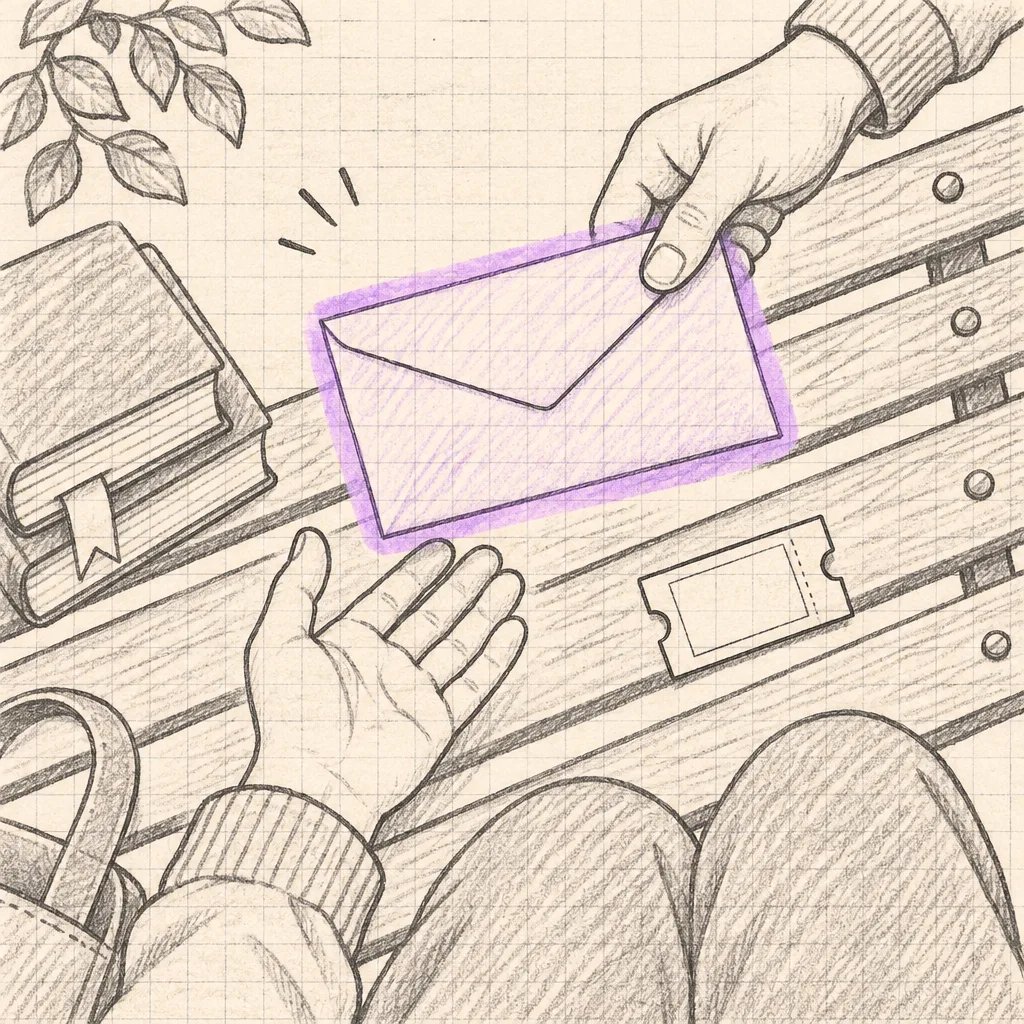
Sophie Ross and Bridget Shergalis say they were served with federal grand-jury subpoenas on 16 October 2026, ordering them to appear in New Hampshire on 21 October 2026. The Grayzone reported this on 19 October 2026, after both had served jail sentences connected with an action at Elbit Systems’ facility in Merrimack, New Hampshire.
The frightening bit is easy to see. An FBI agent, a federal order, a grand jury, a date only days away. But the important lesson is this: a subpoena is not a criminal charge. It is a legal command to attend, give evidence, or produce material. It does not tell us, by itself, who is being investigated, what crime is suspected, or whether prosecutors have the evidence to charge anyone.
That difference matters because the story is built around a gap. The Grayzone suggests the subpoenas may be linked to James “Fergie” Chambers, who is detained in Spain while the United States seeks his extradition. Reuters reported on 22 September 2026 that Spain had allowed the US request to proceed to court, while also reporting that the US Department of Justice declined to comment on the charges and that the United States had not publicly detailed them. The Guardian reported on 13 September 2026 that Chambers’ team said the exact details of the indictment remained sealed. So we have a theory about motive, but not the public documents that would prove the target or purpose of this grand jury.
Here is the mechanism. In a federal criminal case, a subpoena is governed by Rule 17 of the Federal Rules of Criminal Procedure, which is the rulebook for federal criminal cases. The rule says a subpoena may require a witness to attend, and the Department of Justice’s own Justice Manual says grand-jury subpoenas in federal proceedings are governed by that rule. The order may be served across the United States. If a witness disobeys a subpoena without an adequate excuse, Rule 17 says the court may treat that as contempt, which means disobeying the court’s authority.
Who decides? Not the FBI alone. The FBI may serve papers, knock on doors, and investigate. But the legal force comes through the federal court and the grand-jury process, usually driven by federal prosecutors from the US Attorney’s Office. That is why the visible part of the story can mislead you. The person at the door may be an agent. The power behind the paper is the court-backed demand to attend.
A grand jury is not a trial jury. A trial jury decides whether a person is guilty after a public trial. A federal grand jury sits earlier. Under Federal Rule 6, it has a set number of members, and its job is to hear evidence and decide whether there is enough basis to accuse someone formally. If it votes to accuse, that accusation is an indictment, which is a formal charge. Rule 6 also says the required minimum of qualified grand jurors must agree to an indictment.
The behind-closed-doors part is real. Rule 6 says that when the grand jury is in session, the people allowed in include government lawyers, the witness being questioned, interpreters if needed, and a court reporter or recording operator. During deliberation and voting, only the jurors are present. Defence lawyers are not in the room with the witness. That does not mean a witness has no lawyer. It means the lawyer is usually outside the room, advising before, after, and during breaks.
Secrecy is also real, but it is often misunderstood. Rule 6 places secrecy duties on grand jurors, government lawyers, court reporters, interpreters and others connected to the proceedings. It does not usually gag the witness just because they received a subpoena. That is why Ross and Shergalis could speak publicly about receiving subpoenas, unless a separate order applied. But public speech is not the same as a public record of what the grand jury is doing.
That brings us to the missing fact that should stop us from getting carried away. The subpoena date was 21 October 2026. As of 04 November 2026, the key unanswered question is not only why prosecutors wanted them. It is what happened next. Did Ross or Shergalis appear? Did either testify? Did either invoke the Fifth Amendment, which is the US constitutional protection against being forced to give evidence that could incriminate yourself? Did a lawyer move to quash the subpoena, which means asking a court to cancel or limit it? Did prosecutors seek immunity, which can remove a self-incrimination objection for certain testimony? Did anyone face a contempt application?
A later Grayzone report, republished by ScheerPost on 30 October 2026, said Ross and Shergalis had announced that they would refuse to testify and planned to appear in court on 04 November 2026 while giving only their names and invoking rights. That update is important, but it still does not give us the complete 21 October outcome. It does not publish the full subpoenas, a case number, a motion to quash, a motion to compel, an immunity order, or a contempt filing.
There is a further reason the missing papers matter. The District of New Hampshire’s local rules say grand-jury matters, including motions to quash subpoenas, motions to compel testimony, motions for immunity and motions for appointment of counsel, are filed conventionally and not added to the public electronic docket. In plain terms, even the court’s normal online records may not show you the thing you most want to know. The absence of a public docket entry is not proof that nothing happened. It is also not proof that prosecutors acted properly. It is a sign that this corner of the system is built to be hard to see.
Rights remain, but they are not magic words. A witness can get a lawyer. A witness can raise privileges, such as the Fifth Amendment privilege against self-incrimination or attorney-client privilege, which protects confidential legal advice. A witness can ask a court to narrow or cancel some demands. But a witness who is ordered to answer after losing those arguments can face contempt if they refuse. That is why a subpoena can be frightening even when it is not a charge: it creates a forced choice inside a system where delay, silence and legal bills all have a cost.
The earlier Merrimack case is also easier to state than to interpret. New Hampshire Public Radio reported on 14 November 2024 that Ross, Shergalis, Paige Belanger and Calla Walsh pleaded guilty to trespassing and vandalism at the Elbit Systems site, and that the New Hampshire attorney general’s office said the damage was substantial. The same report said all four received jail sentences, with all but 60 days deferred, and were ordered to pay for damage and stay a set distance from Elbit property. That tells us the state case ended in punishment. It does not tell us what a later federal grand jury is seeking.
The word doing the hiding here is “subpoena”. It sounds like proof that the state has a case. It may be part of building one. But it may also be an attempt to find out what witnesses know, to confirm or reject a theory, or to pressure people connected to a wider investigation. The honest sentence is less dramatic and more useful: Ross and Shergalis were ordered to attend a secret federal process, and we do not yet have the documents that show what investigators are actually seeking.
So who benefits? The Department of Justice and FBI benefit if the subpoenas produce useful evidence. Any federal prosecution team benefits if witness testimony helps identify a chargeable case. Elbit Systems may benefit if disruption is deterred, but the public record cited here does not show Elbit asked for or directed this federal process. Who pays? Ross and Shergalis pay in time, stress, legal risk and possible contempt exposure. Any unnamed target pays through secret investigation and public suspicion. The public pays too, because it is asked to judge a state action while the most important records remain hidden.
That is the media-literacy point. An image of state power is not yet evidence of what investigators are actually seeking. If a story gives you the image but not the documents, keep the image in one hand and the gap in the other.

Keep going
 Law
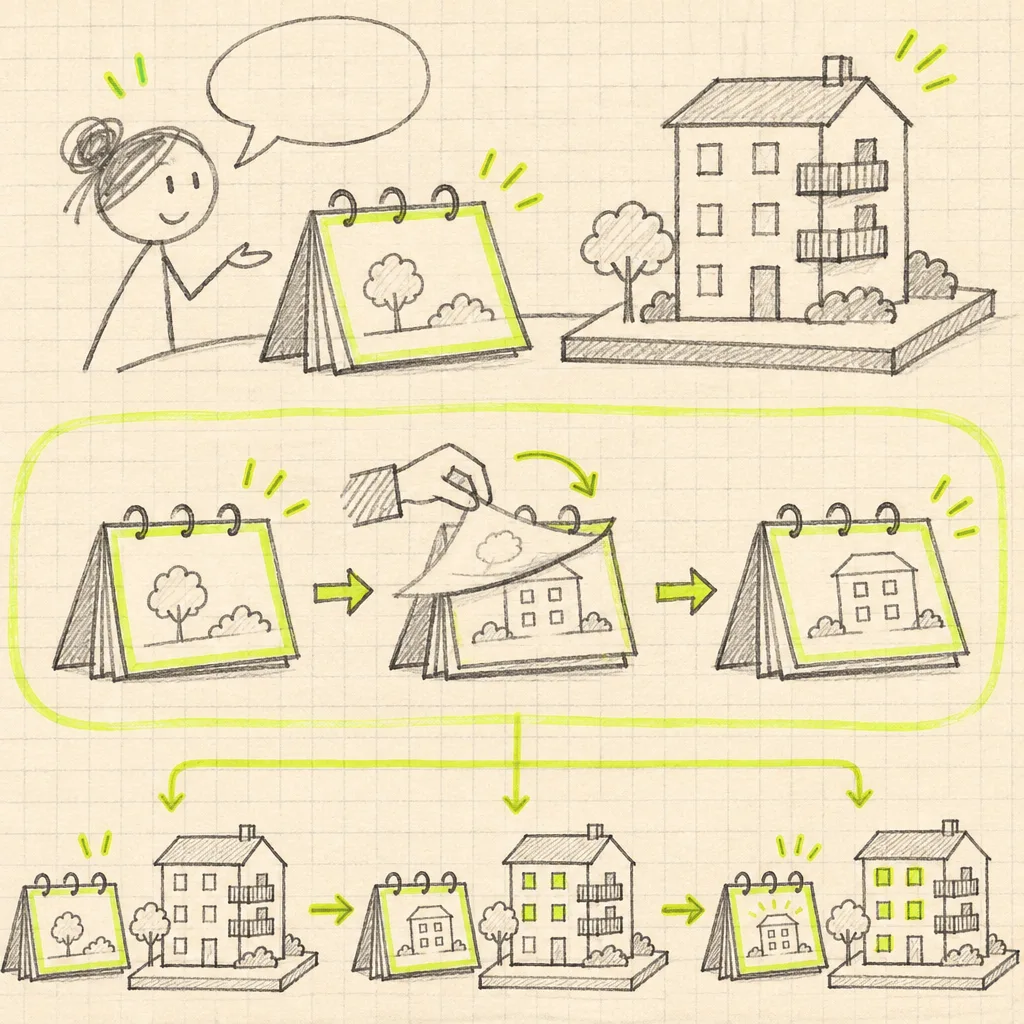
When does a Scottish Act actually take effect?
The building safety levy shows why an Act can become law months before ministers bring particular parts into force.
 Law
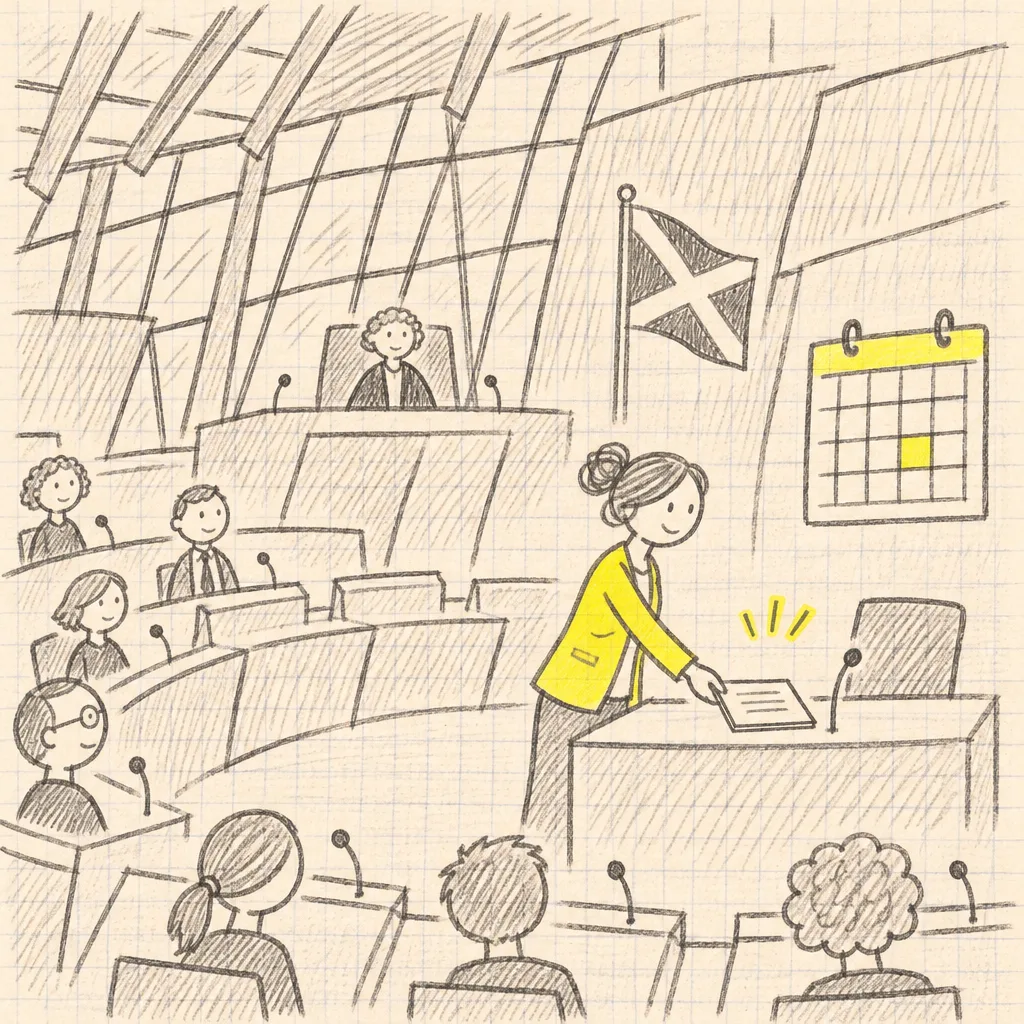
Who can change Scotland’s tribunal deadlines?
A new order shows how a power granted at Westminster can be exercised by Scottish Ministers, with approval from both governments and Holyrood.
 Law
Who Decides What Happens in a Criminal Trial
A Palestine Action case offers a lesson in charging, evidence, reporting restrictions and the difference between a document and a claim about it.