How to read a business payment request
A government warning about unsolicited invoices raises three separate questions: who sent the request, what it offers and whether payment is required.
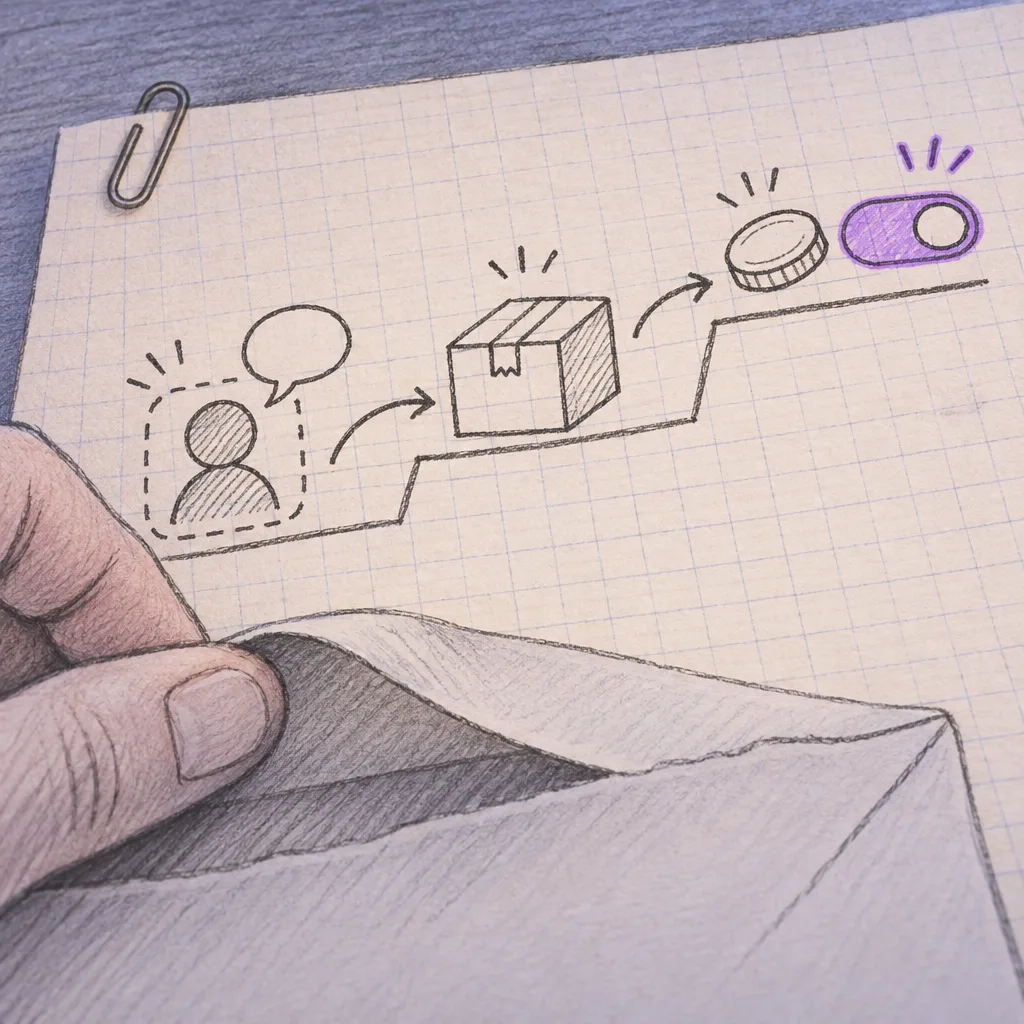
Companies House and the IPO warned businesses about payment requests from organisations outside government.
The agencies said the requests often look like invoices and may ask for payment to set up a Companies House account, verify details, renew a trade mark or enter it on an exclusive online register. A trade mark is a sign, such as a name or logo, that identifies goods or services. A register is a list of recorded information: the IPO keeps one for trade marks.
The warning asks you to separate three questions. First, who sent the request? A letter containing your company’s details is not necessarily from a government agency. Second, what service is being offered? An entry on a private list is not the same thing as renewing a trade mark with the IPO. Third, is payment required? A request that looks like a bill does not, by its appearance alone, establish that you owe the sender money.
A small glossary for reading a request: - Invoice: a document asking for payment; its appearance does not establish that payment is owed. - Registered office: the official address a company gives Companies House for correspondence. - Disclaimer: a statement limiting or explaining a claim, such as a statement that a sender is not connected to government.

Keep going
 Media literacy
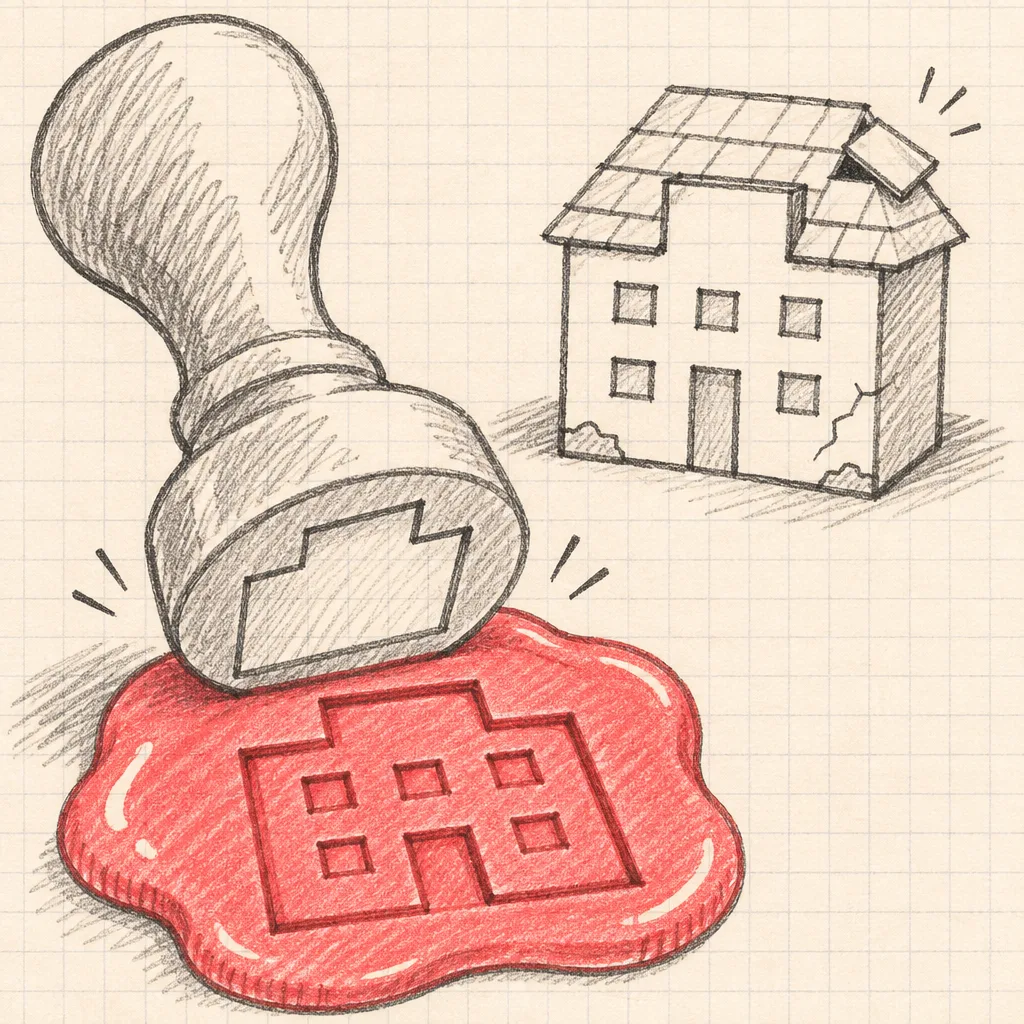
What a Companies House entry can tell you
The agency’s verification target counts more than completed checks, while an entry on its public register is not a guarantee of accuracy.
 Media literacy
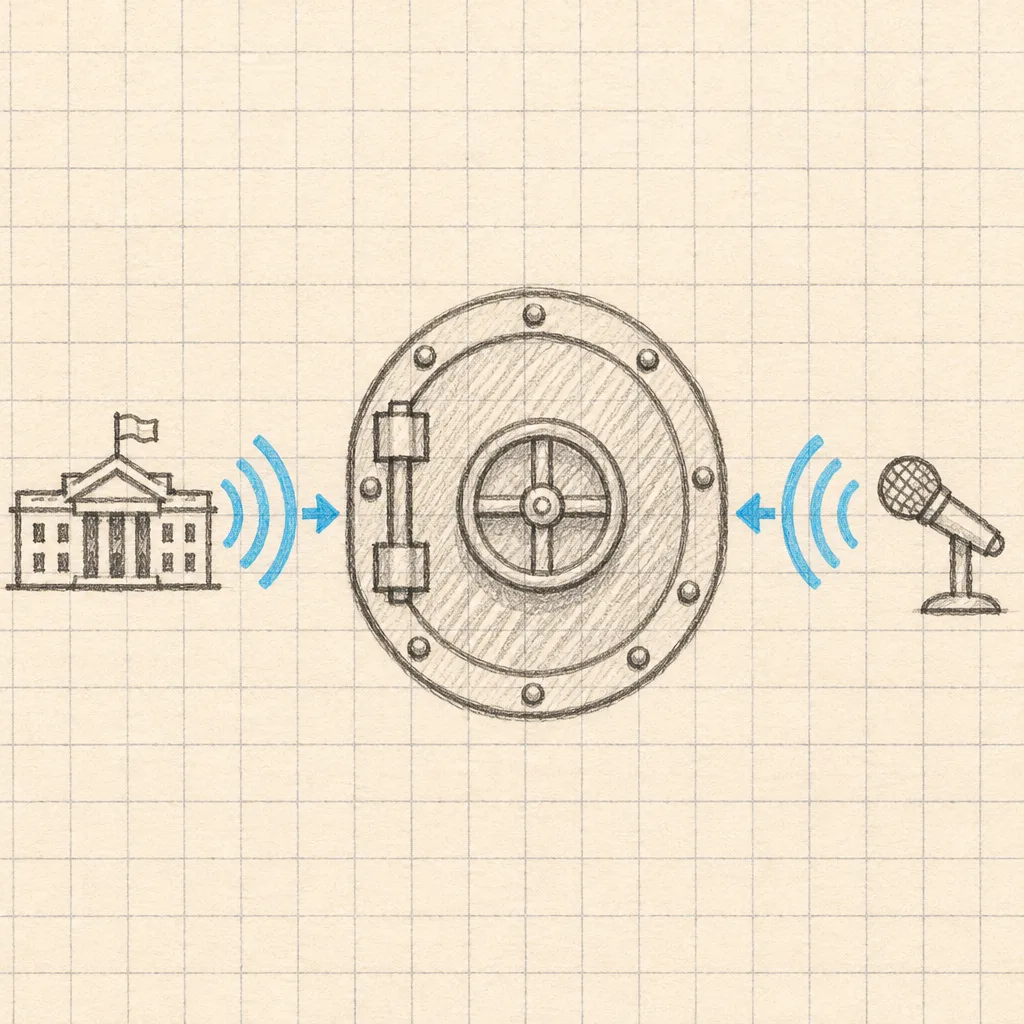
What the Edan Alexander citizenship claims prove
The White House called the freed hostage an American citizen, while The Grayzone reported the opposite. Neither account gives readers the underlying record.
 Media literacy
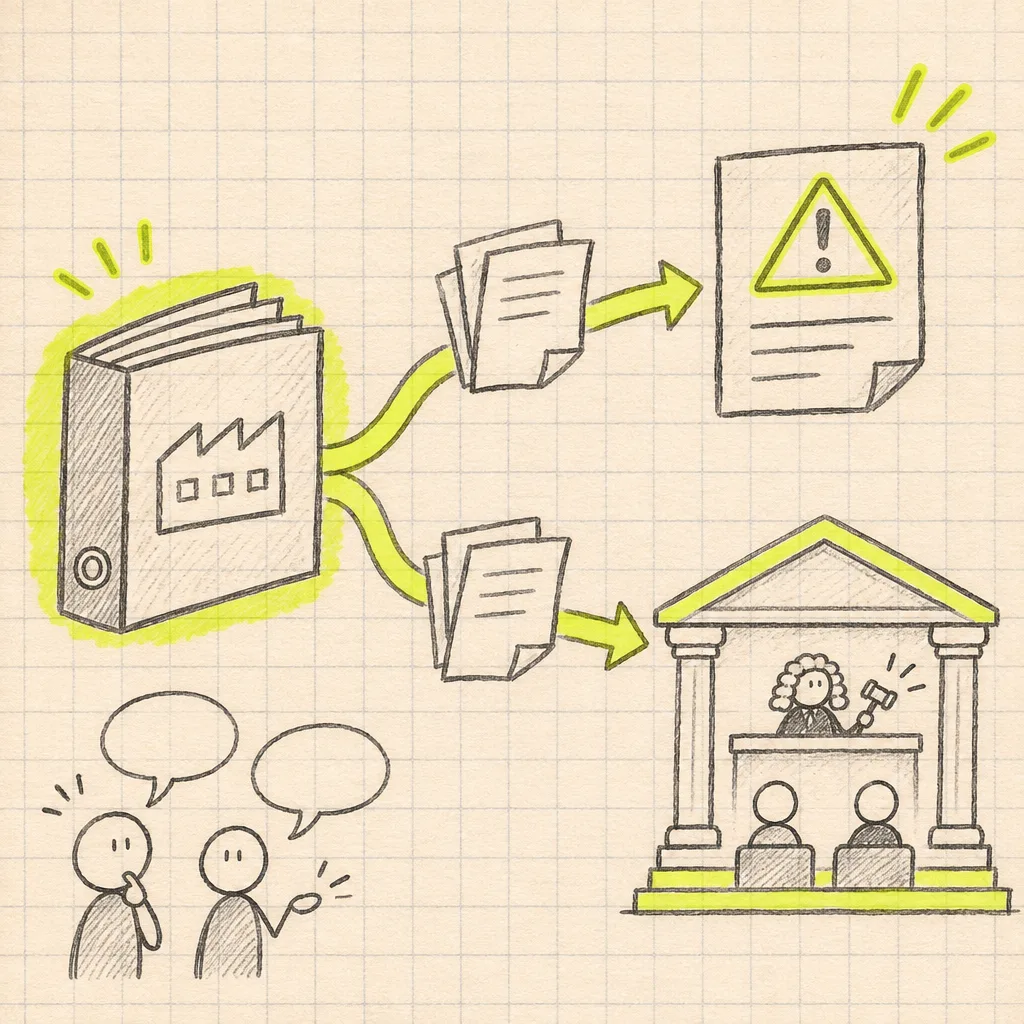
Who decides when company directors are penalised
Late accounts can trigger a company penalty and a separate case against a director, but different decision-makers control each outcome.